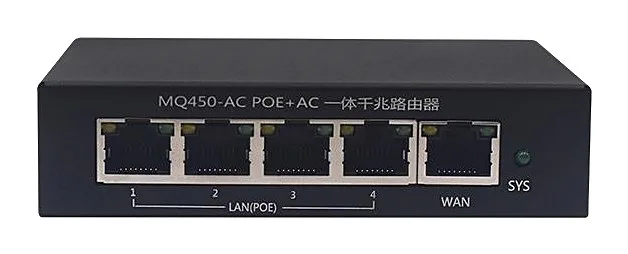
At a Glance
System build
Wireless Bridge / CPE + Outdoor Wireless AP + Switch / Gateway / AC Controller
Key models
Requirements
5items
Acceptance checks
3items
Scenario Images
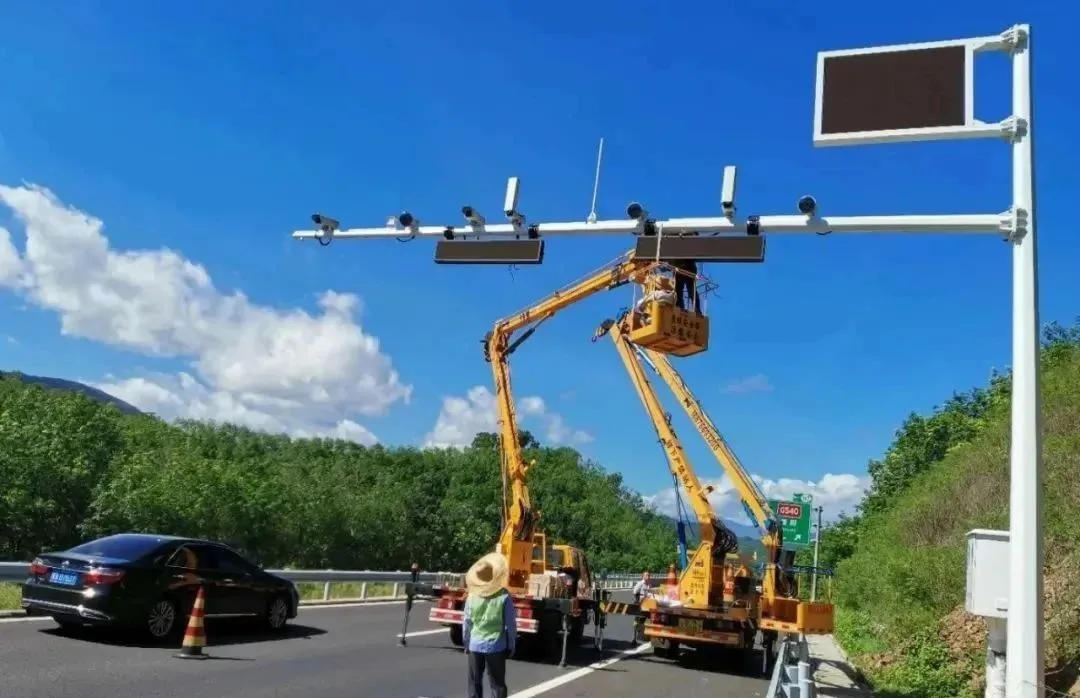
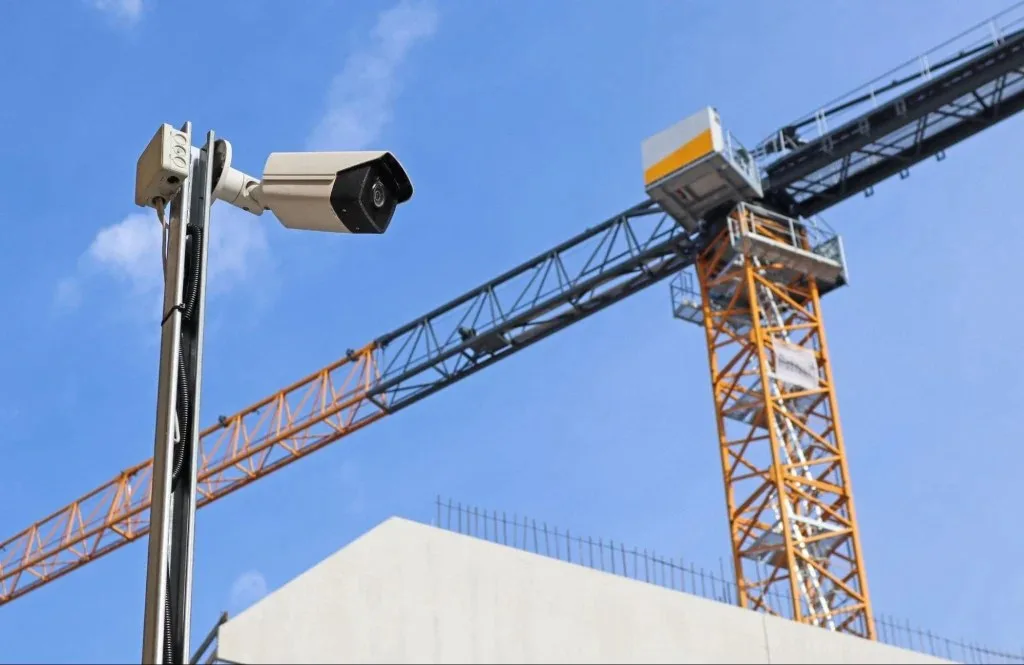
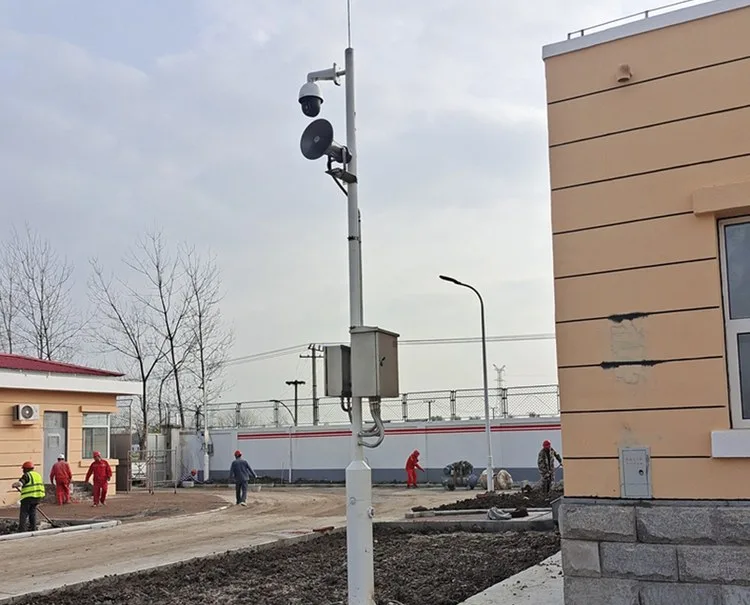
Key Pain Points
- Scattered camera points make per-point cabling costlier than equipment
- Roads and riverbanks cannot be trenched
- Legacy coax or cable links age and cause video stutter
- New camera points must go live quickly
Solution Architecture
- Point-to-point: a bridge pair links a remote point to the equipment room
- Point-to-multipoint: a central station with directional antenna aggregates several links
- Frequency plan: mainly 5.8GHz to avoid local interference
- Protection: IP65/IP67 and lightning protection for outdoor mounting
- Bandwidth sizing: choose bandwidth class by bitrate and channel count
On This Page
Requirement Breakdown
Figures below are design assumptions for sizing, not measured site data — confirm against the actual site before ordering.
- 01Bandwidth first: total = per-stream bitrate × channels × 1.3 for protocol overhead and bursts. A 2MP H.265 main stream runs about 2–4Mbps and 4MP about 4–8Mbps.
- 02Distance tiers: 300M-class bridges to 300m, 900M-class from 300m to 3km, and beyond 3km directional antennas with a full link budget.
- 03Power: most bridges use non-standard 24V PoE or 12V DC, which is not interchangeable with 802.3af/at switches — they need their own supply or a PoE injector.
- 04Line of sight: verify on site that trees, buildings and terrain do not intrude; in NLOS cases shorten the hop or add a relay.
- 05Protection: outdoor points need IP65 or better plus surge protection and earthing.
Zones & Topology
01
Point-to-point: a bridge pair carries a remote camera cluster back to the equipment room.
02
Point-to-multipoint: a central station with directional or sector antennas aggregates several remote links.
03
Relay: where the span is too long or blocked, add a mid-hop and budget each leg separately.
04
Head end: the bridge drops into a switch on the NVR subnet, with a separate management VLAN for troubleshooting.
Standard Topology
Recommended Configuration
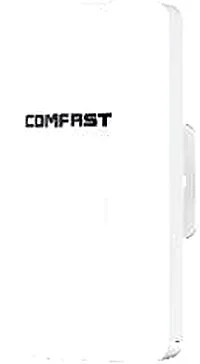 CF-E120A V3Wireless Bridge / CPEShort links, 2 units per link
300M 5.8GHz bridge for CCTV backhaul under 300m
View Details CF-E313AC V2Wireless Bridge / CPEMedium-range links, 2 units per link
900M 5.8GHz bridge for 300m–3km backhaul
View Details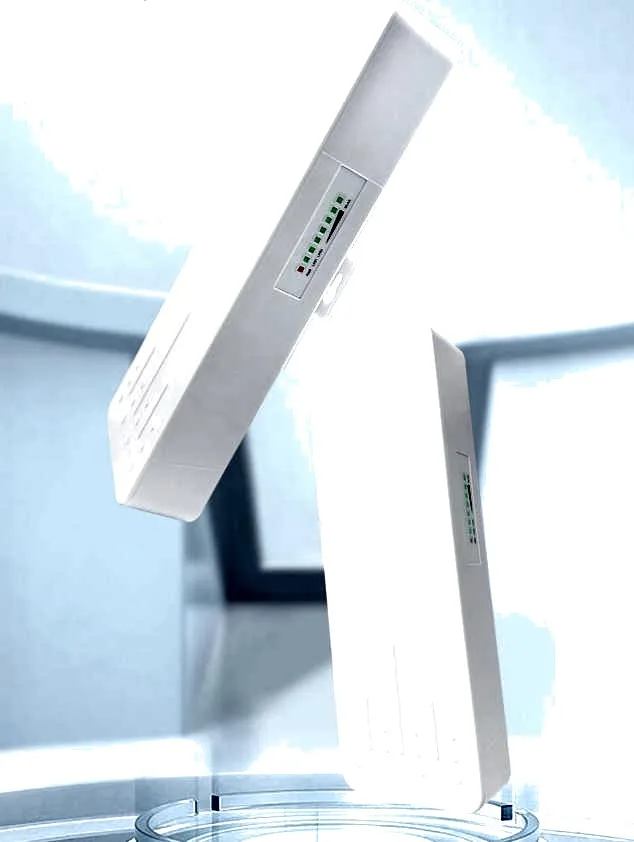 BS-900Wireless Bridge / CPESetup-free short-range links
5.8GHz bridge with LED pairing display, within 4km
View Details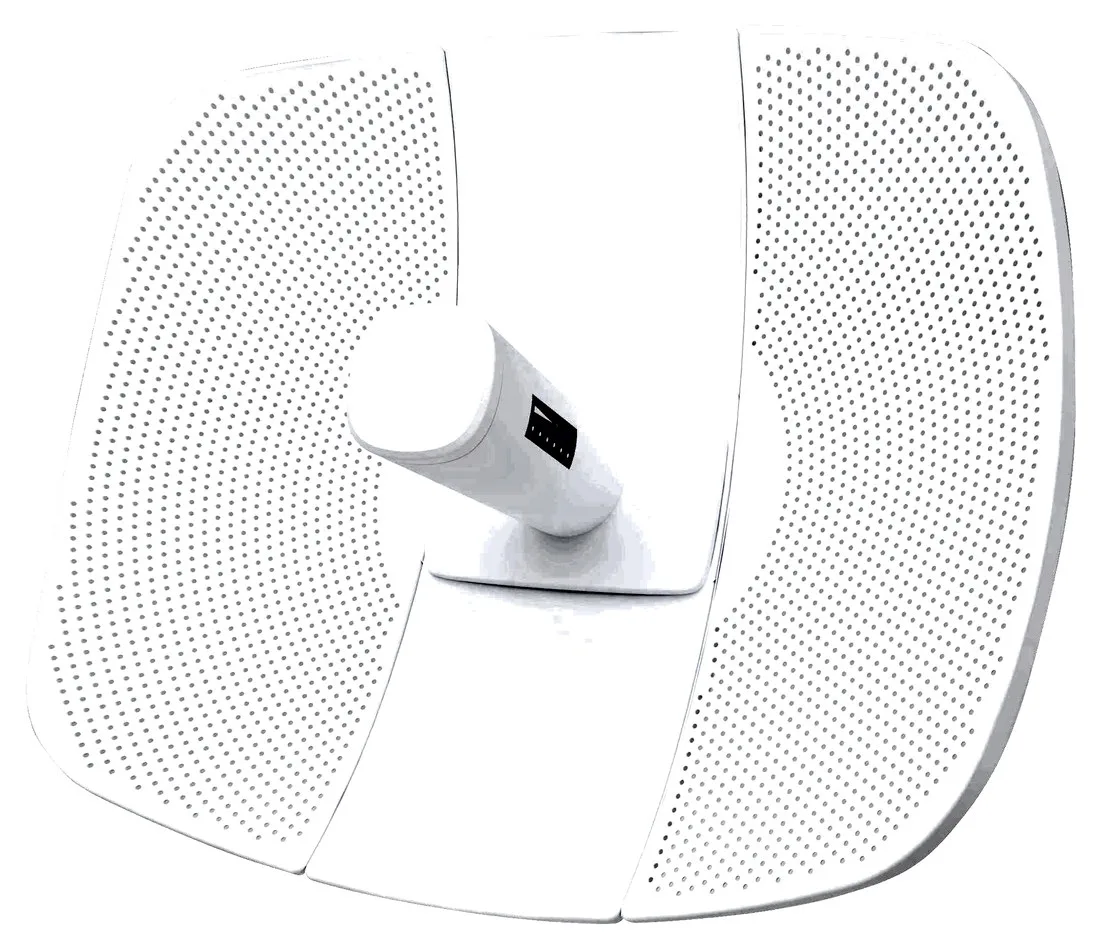 BS-500LWireless Bridge / CPELong-range links
High-power 5.8GHz bridge on non-standard 24V PoE
View Details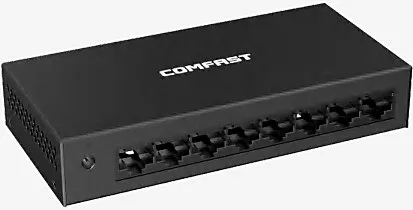 CF-SG83Switch / Gateway / AC ControllerComms room access
8-port full-gigabit switch for bridges and NVR
View DetailsConfiguration list as a table
| Model | Quantity | Purpose |
|---|---|---|
| CF-E120A V3 | Short links, 2 units per link | 300M 5.8GHz bridge for CCTV backhaul under 300m |
| CF-E313AC V2 | Medium-range links, 2 units per link | 900M 5.8GHz bridge for 300m–3km backhaul |
| BS-900 | Setup-free short-range links | 5.8GHz bridge with LED pairing display, within 4km |
| BS-500L | Long-range links | High-power 5.8GHz bridge on non-standard 24V PoE |
| CF-SG83 | Comms room access | 8-port full-gigabit switch for bridges and NVR |
Key Technical Points
- Size the link before choosing hardware,20 channels of 4MP at 6Mbps is 120Mbps, about 156Mbps with margin — that needs a 900M-class bridge, not 300M.
- Non-standard PoE is the classic CCTV trap,a 24V bridge will not run from a standard 48V PoE switch, and a 48V passive injector can destroy it.
- Dry-weather acceptance is not enough,rain fade matters on long 5.8GHz links, so budget for wet weather.
- When a bridge shares a pole with cameras,allow for alignment drift as the pole moves.
Installation & Commissioning
- Start with a line-of-sight survey and link budget,distance, terrain, obstruction and rain margin — all four before fixing positions.
- Raising a bridge 1–2m is often more effective than a higher-gain antenna; avoid mounting directly under metal roofing.
- Check co-channel interference,survey before choosing a channel, and put adjacent links on different channels.
- Commissioning order,align on RSSI → set the channel → measure throughput (iperf) → connect cameras.
Where These Projects Most Often Go Wrong
- Choosing a bridge by distance without budgeting bandwidth,the link is long enough but the bitrate is not, so video stutters once all channels come online.
- Powering a non-standard 24V bridge from a standard PoE switch,it will not start, or it will be damaged.
- Commissioning on a dry day and signing off,wet-weather throughput drops and video drops packets.
- No surge protection or earthing on bridges,batch failures in storm season.
Acceptance Criteria
- Link throughput reaches at least 1.3× the total bitrate requirement in both dry and wet weather.
- Packet loss below 0.1% over a soak test of 24 hours or more.
- The link recovers automatically after a power cycle with no manual intervention.
Sizing Rule & Pricing
Sizing rule: bridges = links × 2 (relay hops counted separately); switches by aggregation point. Contact us to confirm pricing and whether injectors, surge protectors and mounts are included.
Send us your floor plan or site conditions and we will return a configuration list.