At a Glance
System build
Outdoor Wireless AP + Wireless Bridge / CPE + Switch / Gateway / AC Controller
Key models
Requirements
5items
Acceptance checks
3items
Scenario Images
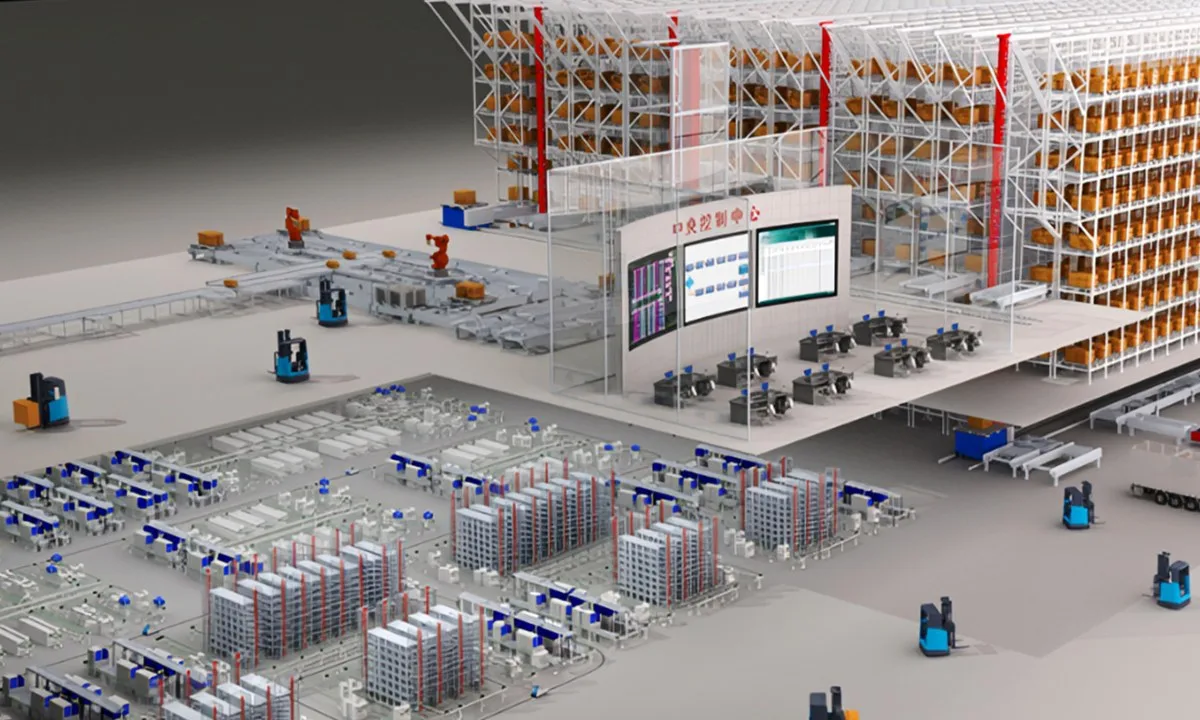
Key Pain Points
- Large sites cannot be fully covered by cabled points
- Forklifts and AGVs drop connections while roaming
- Cross-workshop cabling requires trenching or overhead lines
- Dust, rain and temperature swings affect equipment life
Solution Architecture
- Work areas: IP66/IP67 outdoor APs covering yards and main roads
- Cross-workshop: point-to-point bridges supporting 1–3km links
- Cranes: directional bridge links adjusted with equipment movement
- Aggregation: PoE switches and AC gateway in the equipment room
- Power: PoE and DC options to fit site conditions
On This Page
Requirement Breakdown
Figures below are design assumptions for sizing, not measured site data — confirm against the actual site before ordering.
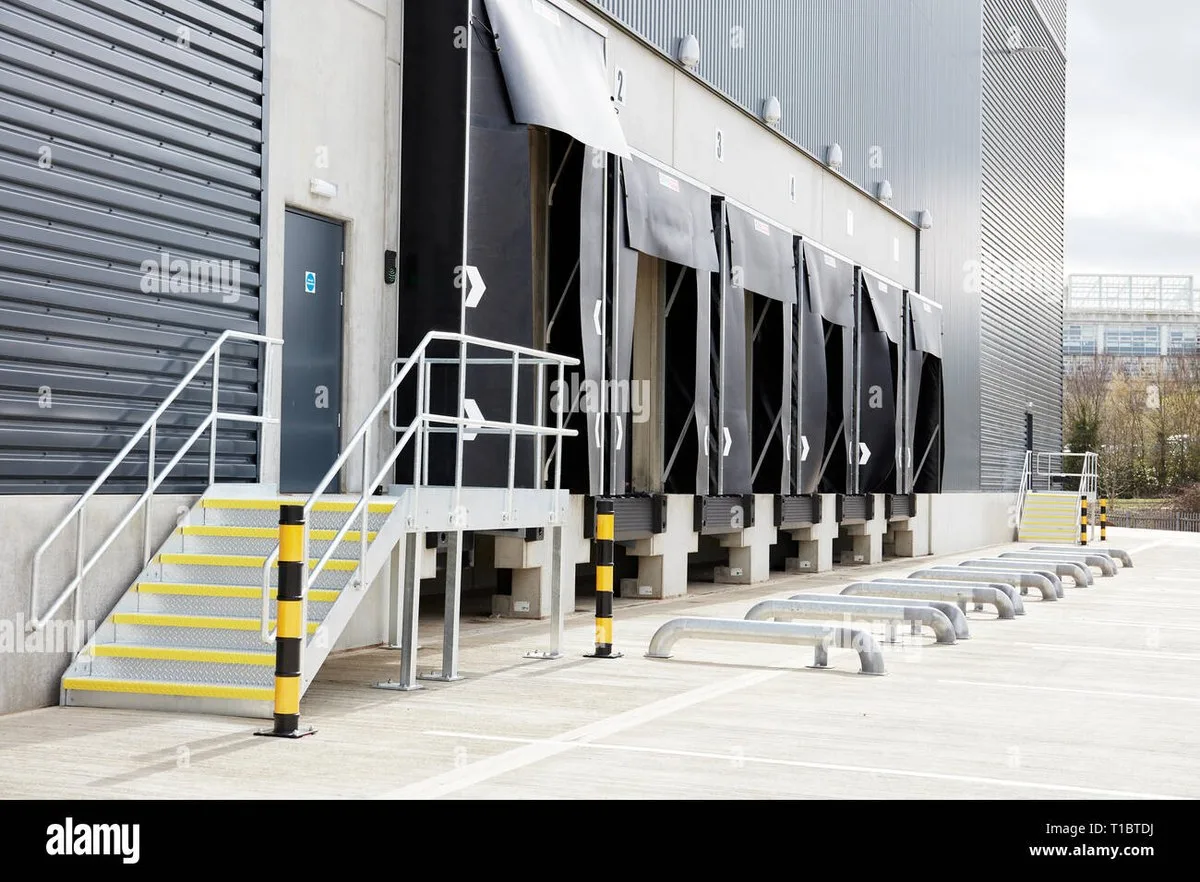
- 01Work areas and main roads: about 300–500㎡ per AP, with extra coverage at yards, loading docks and road junctions.
- 02Cross-workshop and crane links by distance: bridges under 300m; line of sight required up to 1km; beyond 3km use directional antennas and a full link budget.
- 03Mobile devices: forklifts, AGVs and scanners need uninterrupted roaming — 802.11k/v/r with a single SSID.
- 04Environment: dust, heat, rain and temperature swings require IP65 or better and a wide operating range.
- 05Power: where outdoor points lack mains, take PoE from the nearest switch or use DC power with bridge backhaul.
Zones & Topology
01
Outdoor coverage layer: outdoor APs mounted high along main roads form coverage bands, densified at junctions.
02
Backhaul layer: point-to-point bridges link each workshop to the equipment room, or point-to-multipoint from a central station.
03
Inside workshops: separate ceiling APs, physically or logically isolated from the outdoor network.
04
Aggregation: PoE switches and the AC gateway in the equipment room manage everything, including both ends of each bridge.
Standard Topology
Recommended Configuration
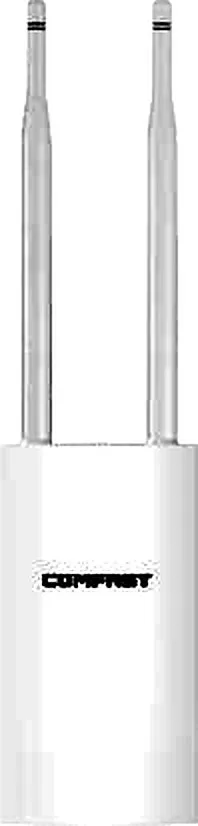
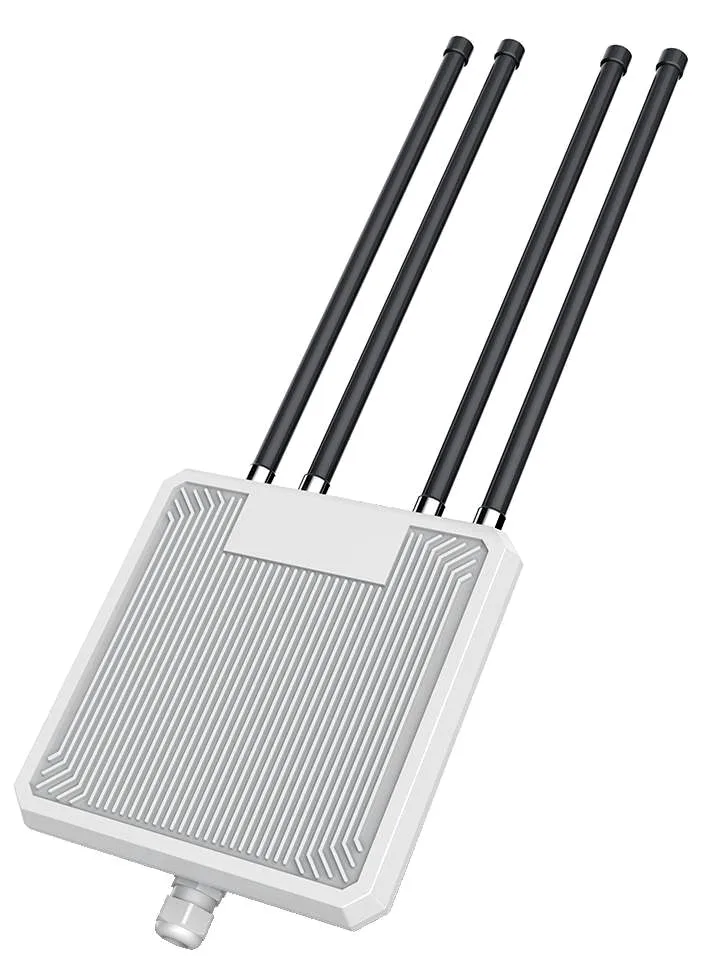
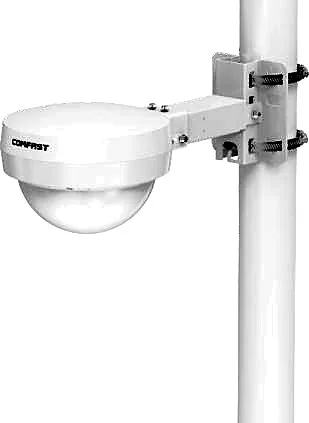 CF-WA933Outdoor Wireless APMain roads and yards, one per 300–500 sqm
3000M outdoor AP covering work areas and roads
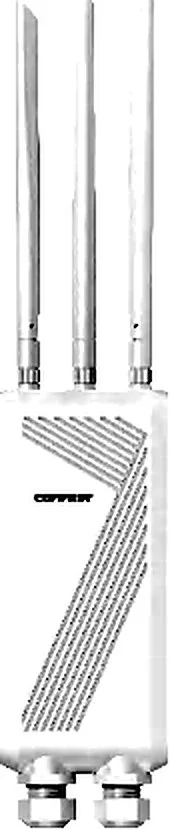
View Details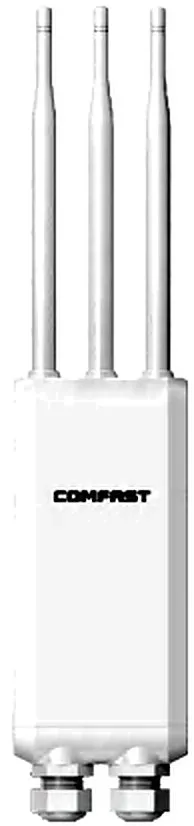 CF-EW85Outdoor Wireless APLoading docks / staging areas
1300M outdoor AP for loading docks and walkways
View Details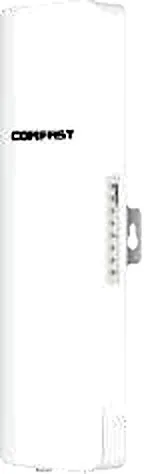 CF-E313AC V2Wireless Bridge / CPE2 units per link
900M 5.8GHz bridge for cross-workshop point-to-point
View Details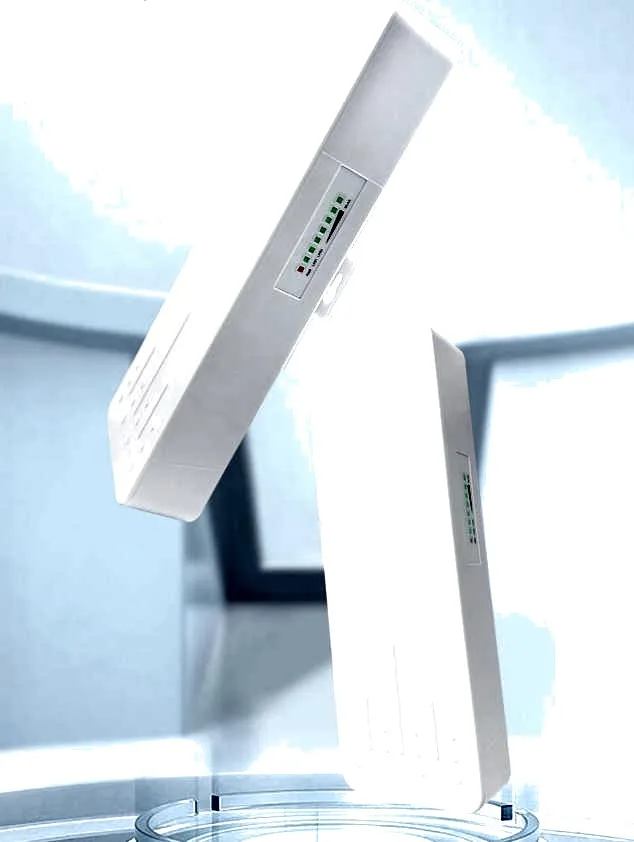 BS-900Wireless Bridge / CPEShort links (up to 4 km)
5.8GHz bridge with LED pairing display, set-up free
View Details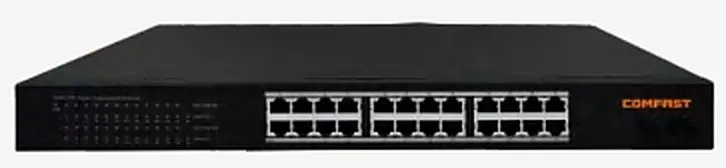 CF-SG1241PSwitch / Gateway / AC ControllerComms room aggregation
24-port full-gigabit PoE switch with SFP uplinks
View DetailsAC gateway for unified site management
Configuration list as a table
| Model | Quantity | Purpose |
|---|---|---|
| CF-WA933 | Main roads and yards, one per 300–500 sqm | 3000M outdoor AP covering work areas and roads |
| CF-EW85 | Loading docks / staging areas | 1300M outdoor AP for loading docks and walkways |
| CF-E313AC V2 | 2 units per link | 900M 5.8GHz bridge for cross-workshop point-to-point |
| BS-900 | Short links (up to 4 km) | 5.8GHz bridge with LED pairing display, set-up free |
| CF-SG1241P | Comms room aggregation | 24-port full-gigabit PoE switch with SFP uplinks |
| CF-AC300 | 1 unit | AC gateway for unified site management |
Key Technical Points
- Metal is the dominant variable,racking, containers and steel structures reflect and block heavily, so leave 6–10dB of margin rather than sizing for open space.
- AGV and forklift roaming needs three things together,one SSID, low rates disabled, and similar power on neighbouring APs.
- Mounting height matters more than antenna gain outdoors,raising a link 1–2m often fixes instability better than a higher-gain antenna.
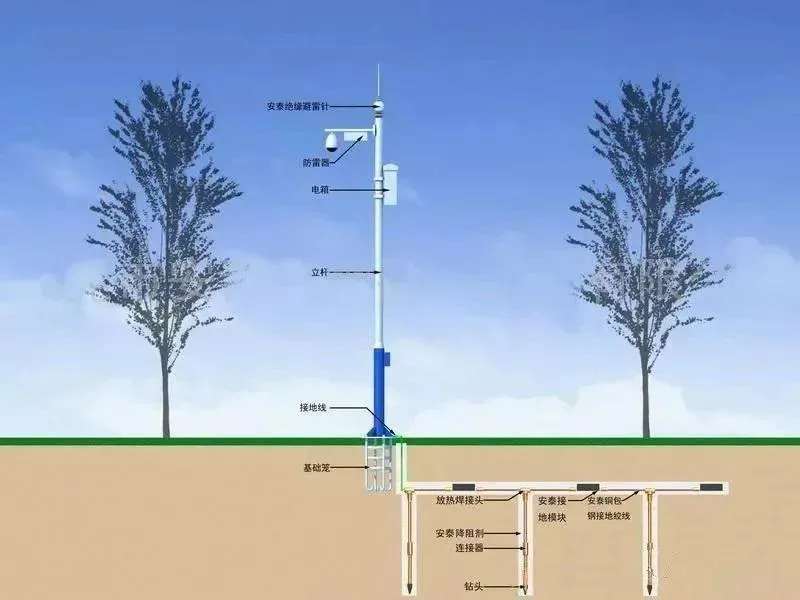
- Surge protection is the hidden cost of outdoor work,bond bridges and outdoor APs to earth and fit protectors on the PoE side.
Installation & Commissioning
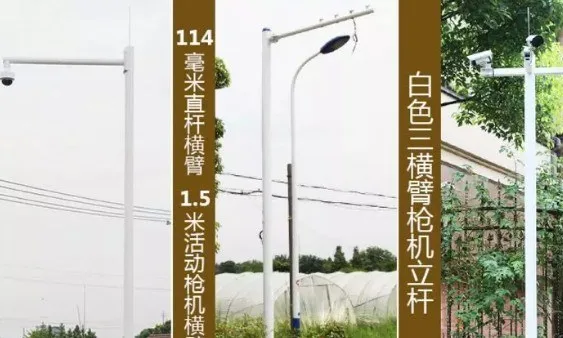
- Mount outdoor APs 4–6m up,clear of vehicle sightlines and lifting zones, with the pole earthed.
- Bridge alignment needs unobstructed line of sight plus a clear first Fresnel zone.
- Use 5.8GHz as the primary band,survey for the quietest channel, and put adjacent links on different channels to avoid self-interference.
- Run continuous roaming tests along AGV routes,paying attention to turns and doorways.
Where These Projects Most Often Go Wrong
- Placing outdoor points using indoor assumptions,metal yards reflect badly and real coverage is about half the estimate.
- Aligning a bridge on signal alone,full bars but packet loss, and video stutters.
- No surge protection outdoors,equipment dies in batches during storm season, costing far more in repairs and downtime than the protectors.
- Leaving low rates enabled for AGVs,clients stick to a distant AP while moving, causing stalls.
Acceptance Criteria
- 5GHz ≥ -70dBm across work areas and ≥ -72dBm with no interruption along AGV routes.
- Measure bridge throughput and packet loss in both dry and wet weather.
- Earth resistance and surge-protector installation meet the site's electrical code.
Sizing Rule & Pricing
Sizing rule: outdoor APs = work area ÷ 300–500㎡ (take the low end in metal-dense sites); bridges = links × 2; PoE switches by aggregation point count. Contact us for current pricing.
Send us your floor plan or site conditions and we will return a configuration list.