Need a selection or coverage plan for your project?
Send the scenario, area and client density; our team replies with a configuration proposal within 24h.
Send InquiryCeiling AP: covering space
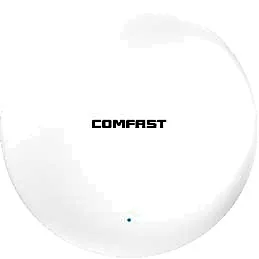
Mounted at ceiling centre, a ceiling AP radiates downward in an approximately circular pattern — ideal for corridors, lobbies, restaurants and open offices. Cabling must reach ceiling points, with PoE preferred for power.
In-wall AP: covering rooms
An in-wall AP replaces an 86-box socket and suits room-based scenarios such as guest rooms, dormitories and apartments. Signals stay inside the room, avoiding cross-room interference, and existing conduit can be reused. The limitation is single-room coverage — not suitable for large open areas.
- Strength: one AP per room keeps capacity and interference controllable
- Strength: reuses existing socket conduit with minimal rework
- Note: confirm box size and mounting depth
Outdoor AP: covering harsh environments
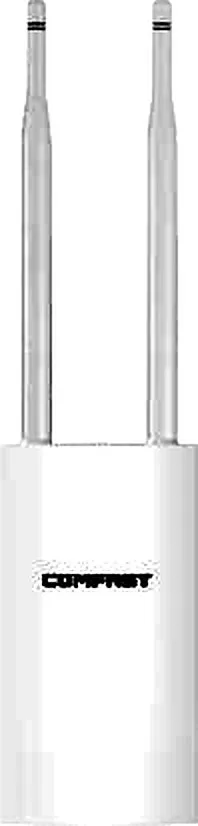
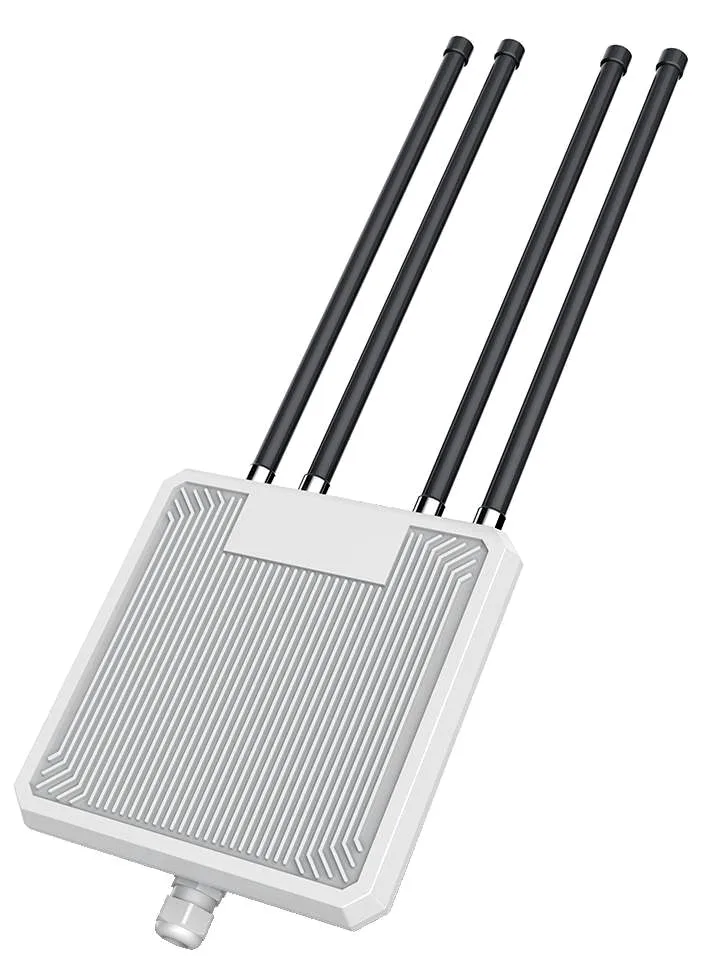
Outdoor APs handle rain, dust and temperature swings with IP65+ protection, wide-temperature design and lightning protection, typically pole or wall mounted. Outdoor coverage also requires attention to power distance and grounding.
- Protection: IP65 typical, IP67 for harsh sites
- Power: 48V standard or 24V passive PoE, some with DC input
- Distance: standard PoE is limited to 100m; use bridges or local power beyond that
Mixed deployment is the norm
Real projects usually mix all three: in-wall APs in rooms, ceiling APs in corridors, outdoor APs outside — unified by PoE switches and an AC gateway into one roaming network.