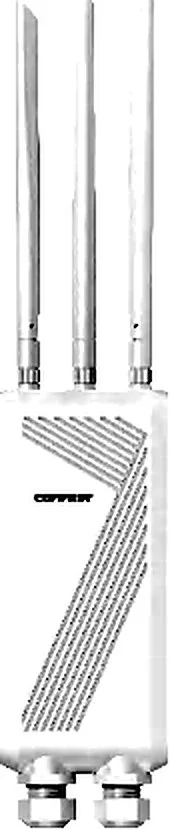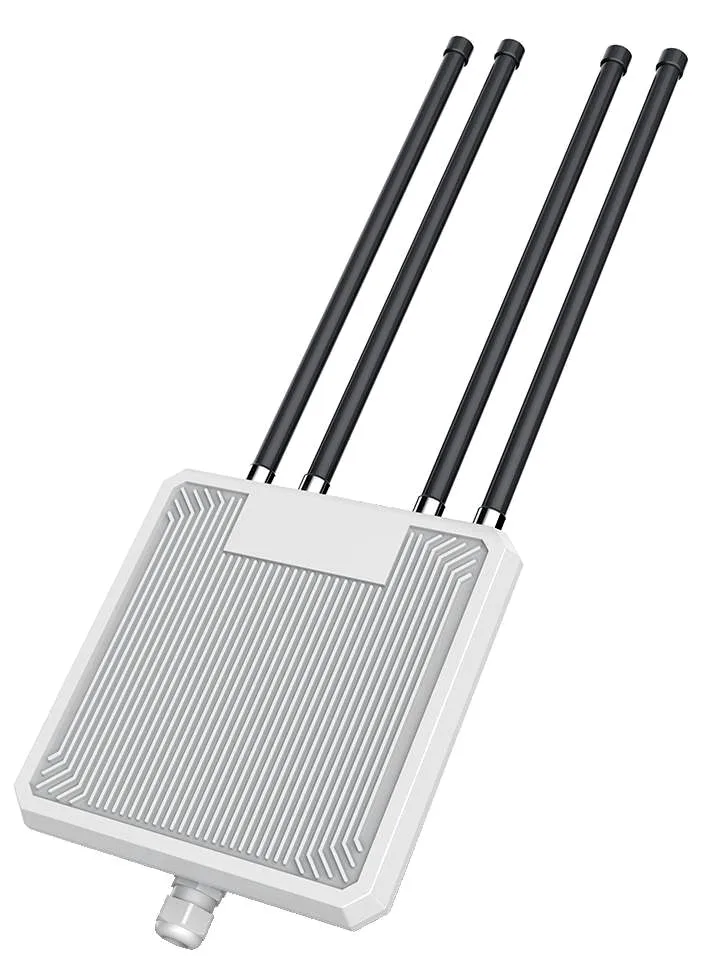
Need a selection or coverage plan for your project?
Send the scenario, area and client density; our team replies with a configuration proposal within 24h.
Send InquiryDistance: line of sight comes first
Vendor distance figures assume ideal line of sight. Trees, rain fade and obstruction shorten usable range considerably — plan for 50–70% of the quoted figure.
- Confirm visibility between ends; use relay points if needed
- Keep the link above obstructions with Fresnel zone clearance
- For long links, do an on-site survey first
Band: choosing between 2.4GHz and 5.8GHz
2.4GHz diffracts better but suffers interference; 5.8GHz offers more bandwidth and less interference but is more sensitive to obstruction. For short and medium links needing bandwidth, prefer 5.8GHz.
Bandwidth sizing
Estimate required bandwidth from the number of channels and per-channel bitrate, then add 30–50% headroom for protocol overhead and bursts. When several points aggregate at a hub, size the hub by concurrent channels.
- A 1080P camera needs about 2–4Mbps; 4K about 8–16Mbps
- Hub sizing: hub bandwidth ≥ sum of concurrent branches
- Headroom avoids frame loss and retransmission at peak
Installation and protection
Outdoor installation needs lightning grounding, waterproof connectors and secure pole mounting. Power can be PoE or DC — account for line loss on long runs.