Need a selection or coverage plan for your project?
Send the scenario, area and client density; our team replies with a configuration proposal within 24h.
Send InquiryPosition and height
Get the position wrong and everything afterwards is damage control.
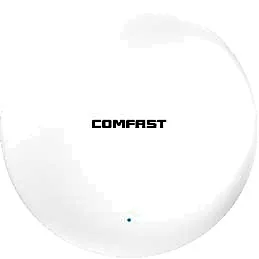
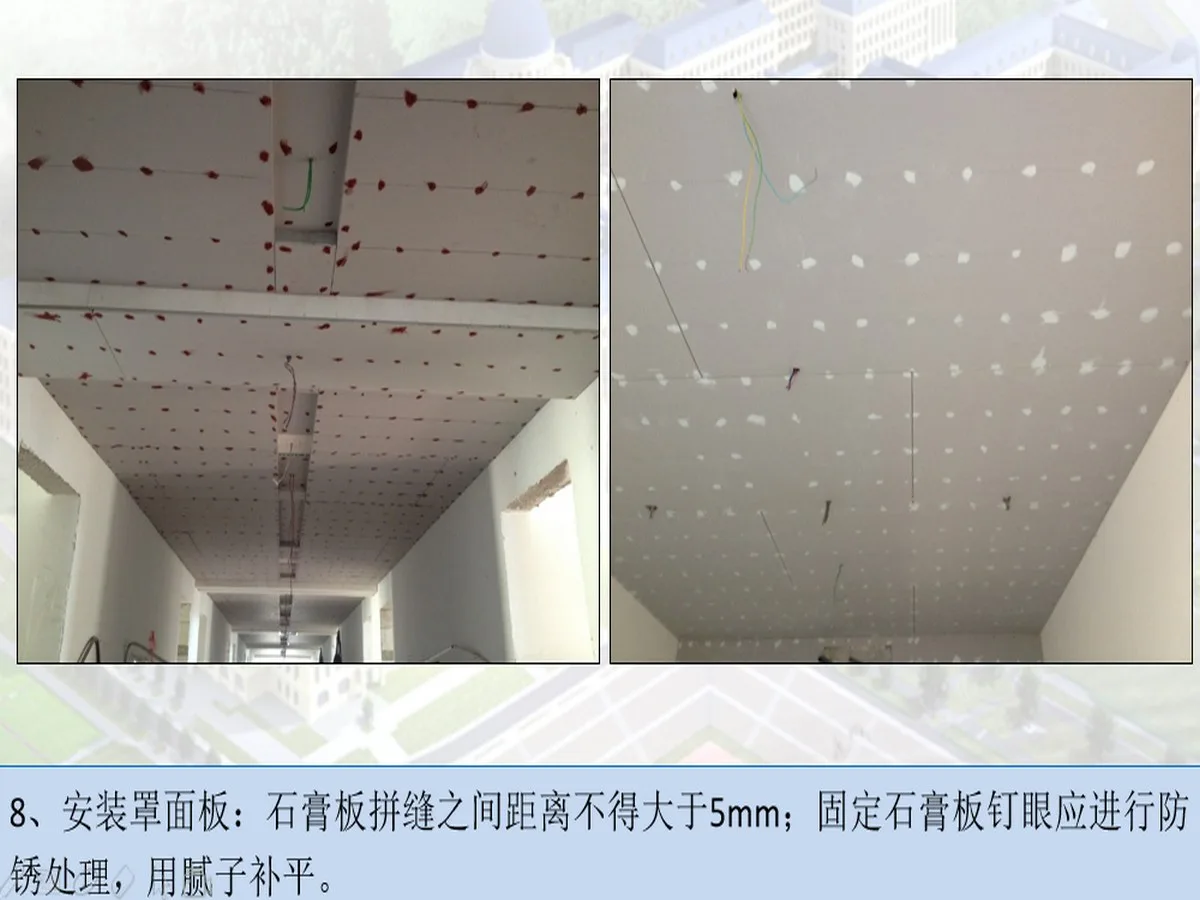
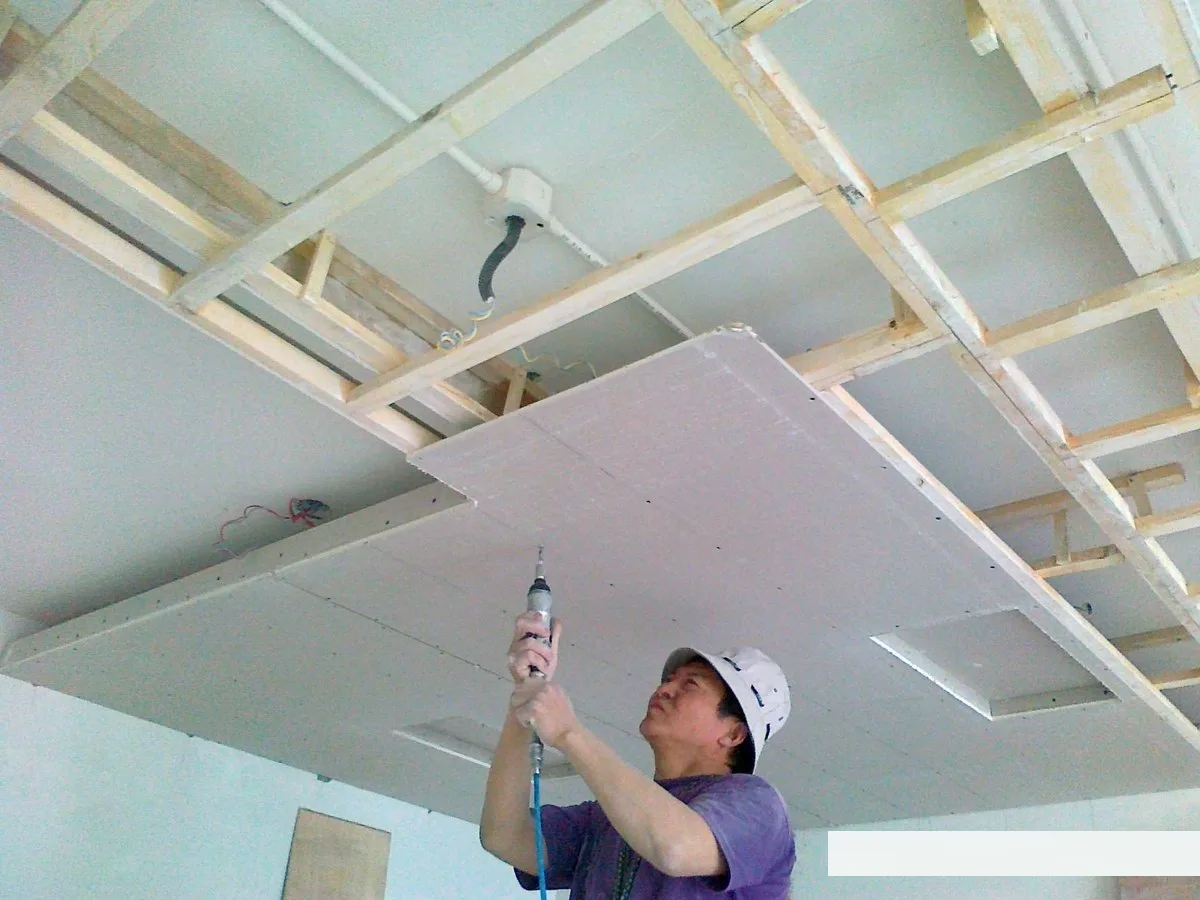
- Ceiling APs: 2.6–3.2m, clear of metal ceiling battens and sprinkler pipes
- Corridor APs: 15–20m spacing, on the corridor centreline rather than facing a doorway
- In-wall APs: at the existing plate position, standard 86-box, depth ≥ 45mm
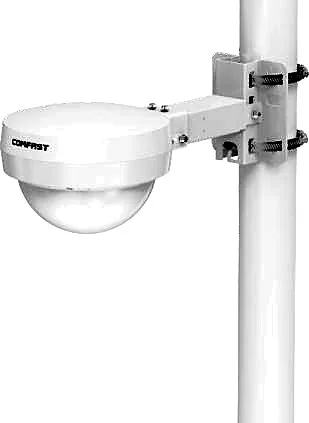
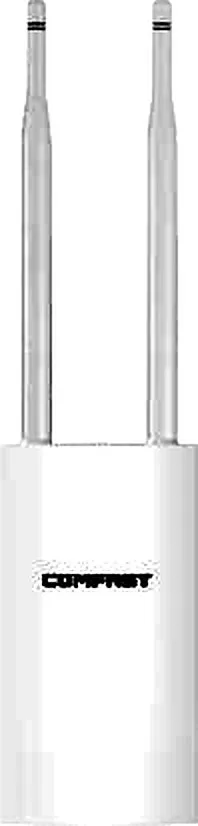
- Outdoor APs: 4–6m, clear of vehicle sightlines and lifting zones
- Avoid interference sources: not near microwaves, print areas, server rooms, inverters or ESL base stations
- Place APs on both sides of columns and partitions — do not rely on penetrating metal finishes
Channels and power
The goal of channel planning is to cut co-channel interference, not to maximise power.
- Use only 1 / 6 / 11 on 2.4GHz, alternate between neighbours, and disable the 1/2/5.5/11Mbps low rates
- Prefer non-DFS channels on 5GHz to avoid radar-triggered drop-outs, and stagger neighbours
- In dense areas deliberately reduce per-AP power to shrink cells and cut interference
- Keep neighbouring AP power similar so clients do not stick to the loudest AP
- Enable 802.11k/v/r — handover between room and corridor or ward and nursing unit must be seamless
Power and cabling
Power causes the most rework on site — work it out before starting.
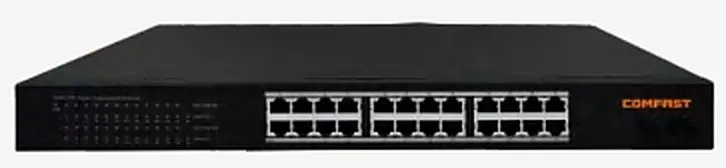
- PoE demand = AP count × per-AP draw × 1.3 against the rated PoE output (estimable on our tools page)
- Runs under 100m on Cat5e or better; Cat6 for critical links
- Non-standard 24V devices get their own supply path, never mixed into standard 48V PoE ports
- Outdoor runs go in conduit or use outdoor-rated cable, with waterproofed connectors
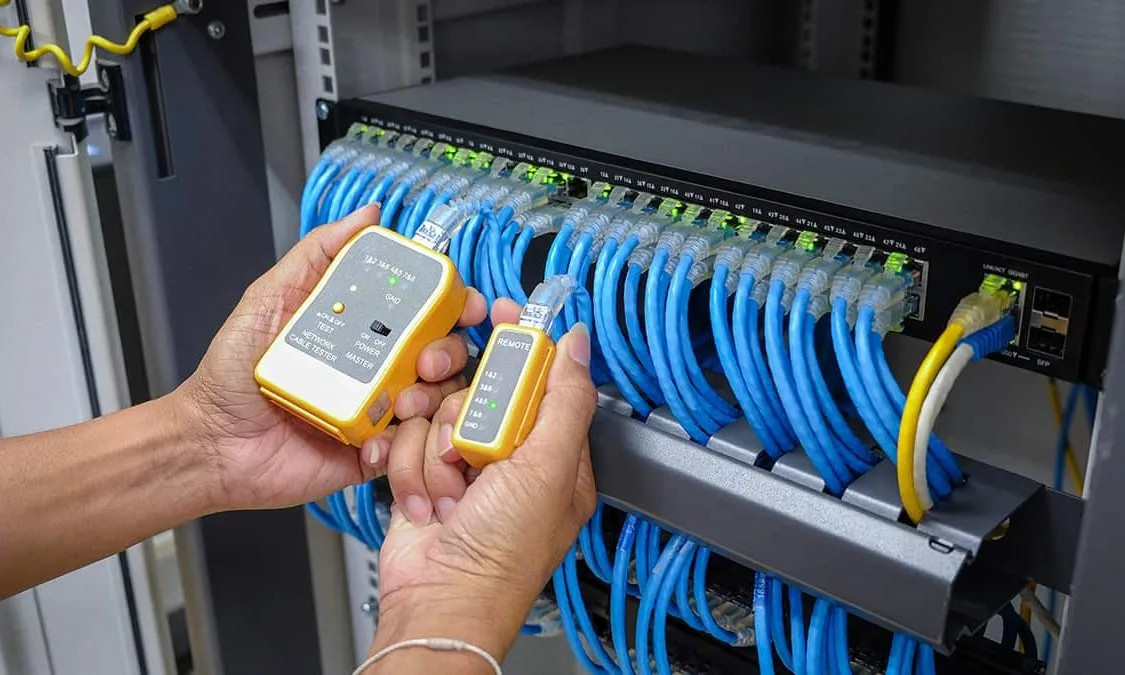
- Verify wiring order and length port by port and keep the records
Acceptance criteria
Accept against measurable figures — "it works" is not a standard.
- Signal: ≥ -65dBm at main usage points, ≥ -70dBm at the worst spot
- Roaming: test the real walking path — voice or video must not break and there should be no re-authentication
- Throughput: test with the same client model users carry, meeting the service requirement with margin
- Bridges: measure throughput and loss in both dry and wet weather, with a soak test of 24 hours or more
- Earthing: measure and record earth resistance at outdoor points
- Handover pack: point schedule, channel plan, IP and VLAN plan, earthing records