Need a selection or coverage plan for your project?
Send the scenario, area and client density; our team replies with a configuration proposal within 24h.
Send InquiryWhat it looks like
The link shows connected with reasonable signal strength, yet throughput is far below expectation and video shows artefacts and dropped frames. It is mild in dry weather and worsens in rain or once foliage grows.
Likely causes
Ordered from most to least common:
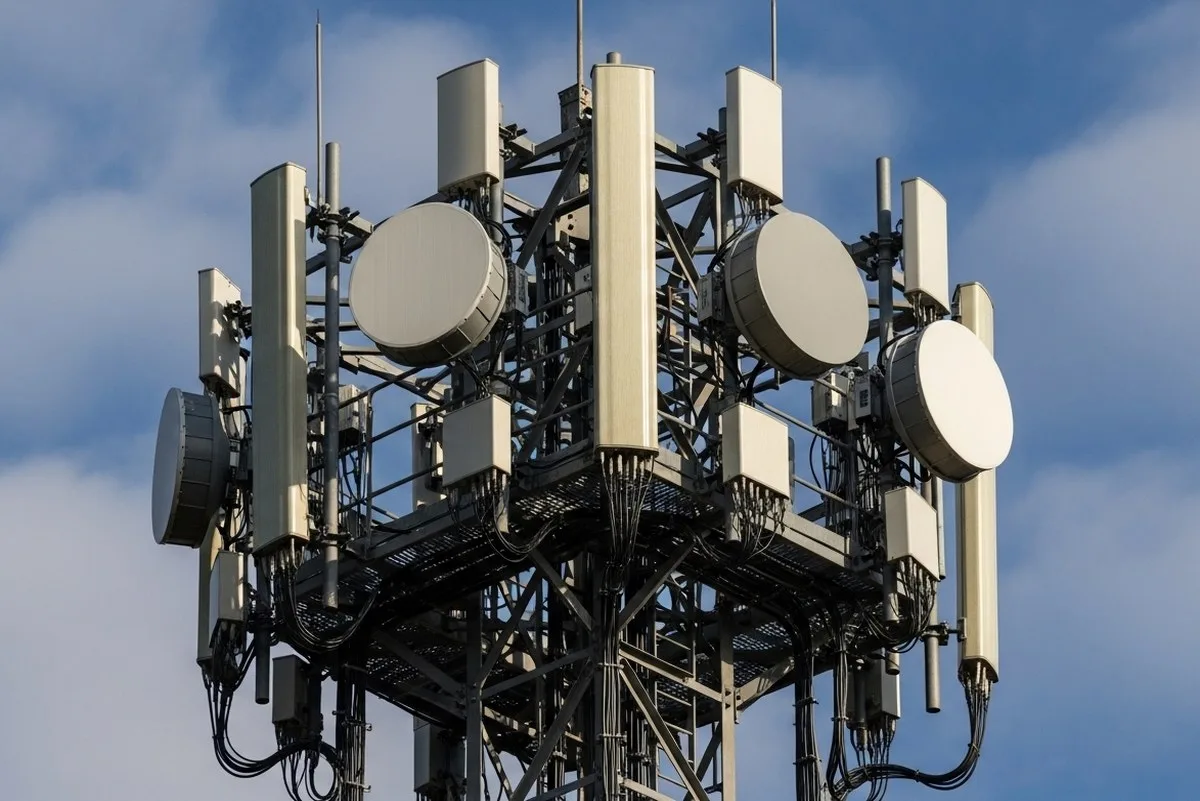
- Fresnel zone obstructed: line of sight looks clear, but the first Fresnel zone is blocked by foliage, eaves or the equipment itself
- Under-budgeted bandwidth: the sum of camera bitrates exceeds usable link throughput
- Co- or adjacent-channel interference: other 5.8GHz gear on site or neighbouring links sharing a channel
- Alignment drift: pole movement, wind load or thermal change shifts the antenna aim
- No rain margin: sized on a dry-day measurement with no allowance for rain fade
- Undervoltage: voltage drop on a long PoE run makes the bridge misbehave
Diagnostic steps
Follow in order.
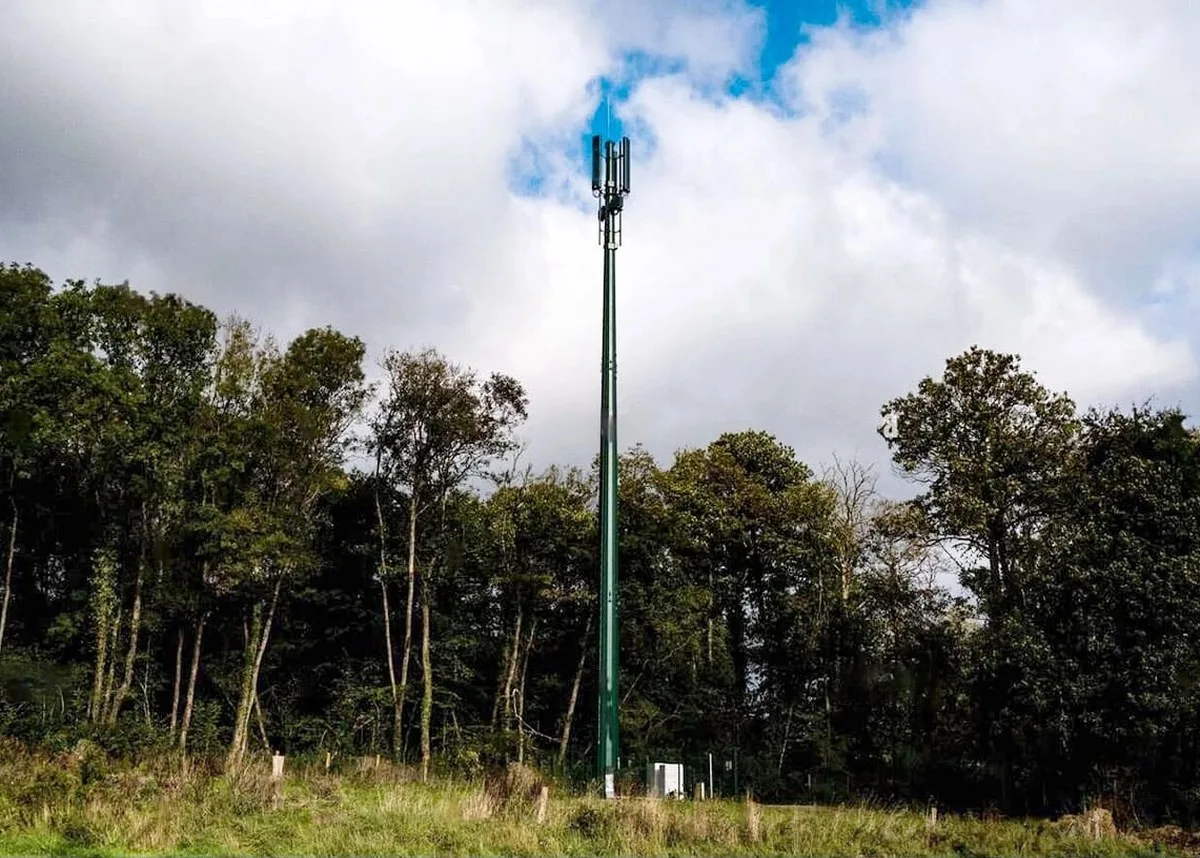
- Measure actual link throughput with a tool such as iperf — do not rely on signal strength alone
- Calculate total bitrate demand: per-stream bitrate × channels × 1.3, and compare with measured throughput
- Check the Fresnel zone: beyond a visual check, raise the antenna 1–2m and re-test — a clear improvement means obstruction
- Scan for interference: check 5.8GHz occupancy on site and whether adjacent links share a channel
- Verify alignment at both ends and re-test after strong wind or a temperature swing
- Measure the voltage at the bridge and confirm it is within the device range
Fix and prevent
Fix: raising the mounting position usually beats a higher-gain antenna; insufficient bandwidth needs a higher-class bridge or fewer channels per link; interference needs a channel change or a narrower beam. Prevent: size at total bitrate × 1.3 plus a rain margin, leave 1–2m of height adjustment, and run a long soak test before handover.