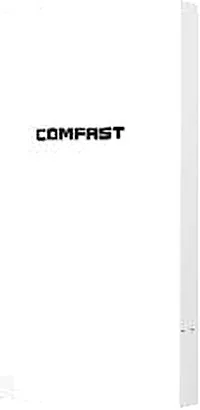
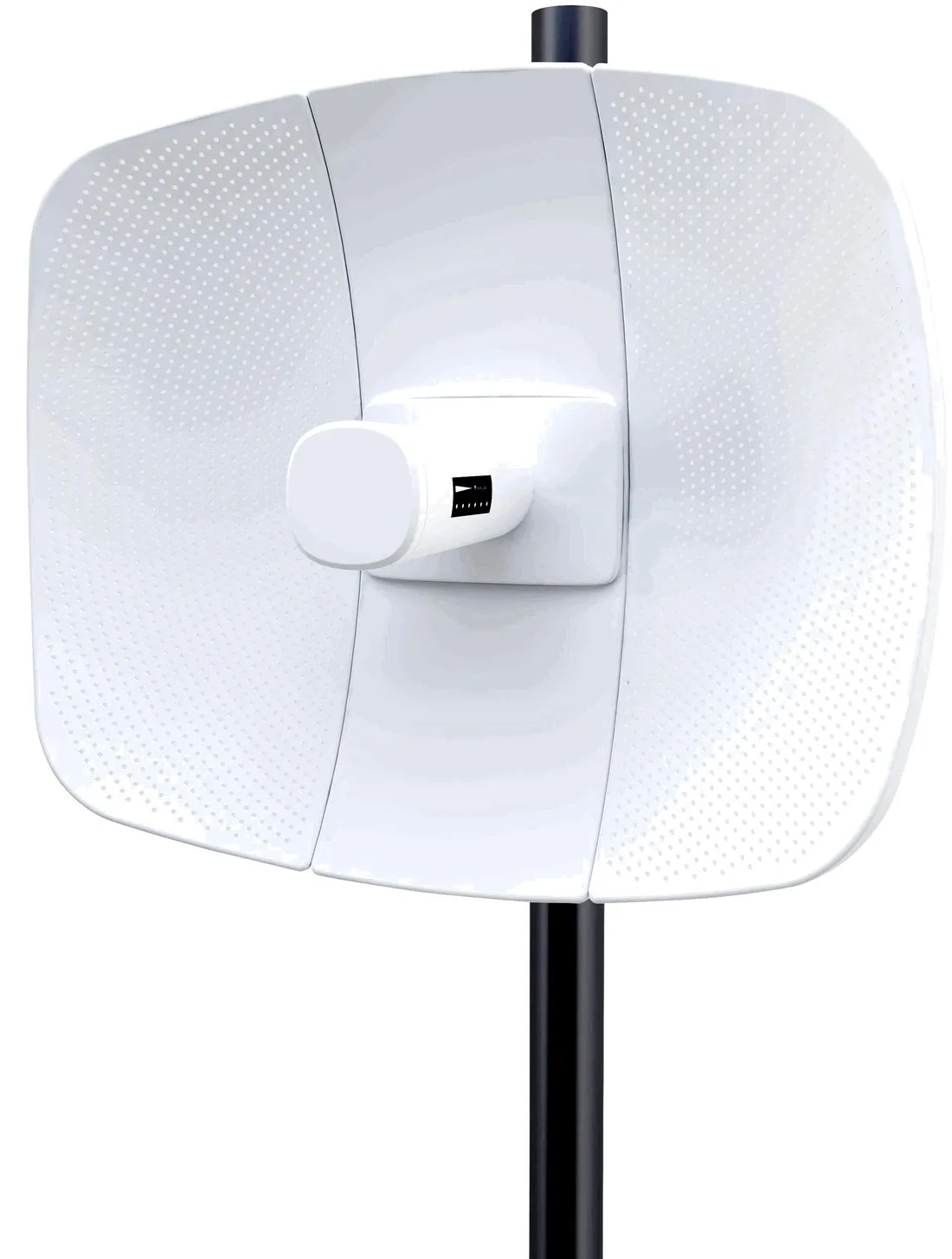
Product Overview
- Wireless Speed
- 300Mbps
- Frequency Band
- 2.4GHz
- Wireless Standard
- IEEE802.11b/g/n
- Antenna
- bulit in9dBi Antennas
- IP Rating
- 2KV Thundering proof IP65
- Dimensions
- 165*85*43.5mm
OEM/ODM customization supported · Sample orders accepted
Detailed Specifications
Specifications are transcribed from the factory datasheet of this model.
| Parameter | Value |
|---|---|
| Wireless Speed | 300Mbps |
| Frequency Band | 2.4GHz |
| Wireless Standard | IEEE802.11b/g/n |
| Antenna | bulit in9dBi Antennas |
| Ports | 1*10/100MbpsWAN/LAN RJ45 |
| Power Consumption | <8W |
| DDR / Flash | DDR: 64MB Flash: 8MB |
| IP Rating | 2KV Thundering proof IP65 |
| Dimensions | 165*85*43.5mm |
Full datasheet available on request
Series positioning
Middle of the series — the usual balance point for standard guest-room and office coverage.
CF-E130N V2 · 17/22 · 300Mbps · 2.4GHz
Compare within the series
Values below are taken from the manufacturer datasheet. A blank cell means the manufacturer does not publish that parameter for the model.
| Model | Wireless speed | Band | Standard | IP rating | Power |
|---|---|---|---|---|---|
| BS-300D | 300Mbps | 2.4G | — | IP65 | 24V PoE |
| BS-500L | 300Mbps | — | — | IP65 | 24V PoE |
| BS-500T | 300Mbps | — | — | IP65 | 24V PoE |
| CF-E11 | 2.4GHz: 300Mbps | — | — | — | — |
| CF-E130N V2 (this model) | 300Mbps | 2.4GHz | IEEE802.11b/g/n | 2KV Thundering proof IP65 | — |
Deployment reading for this category
Recommended solution
Campus & Dormitory WiFi Coverage
Ceiling APs per teaching floor, in-wall APs per dormitory room, and outdoor APs with bridges linking classrooms, dormitories and sports fields into one network.
/solutions/campus/Technical note
Antenna Types — Omni, Directional and Sector
The antenna decides where the energy goes. Omni for point-centred coverage, directional for links and distance, sector for corridors and large flat areas.
/knowledge/antenna-types/Technical note
Default IP Address of Access Points — How to Find It
Management addresses differ by vendor and by batch. The reliable approach is not memorising a table but knowing three methods: read the label, read the gateway, or factory reset.
/knowledge/default-ip-address/Related Products
View Similar Products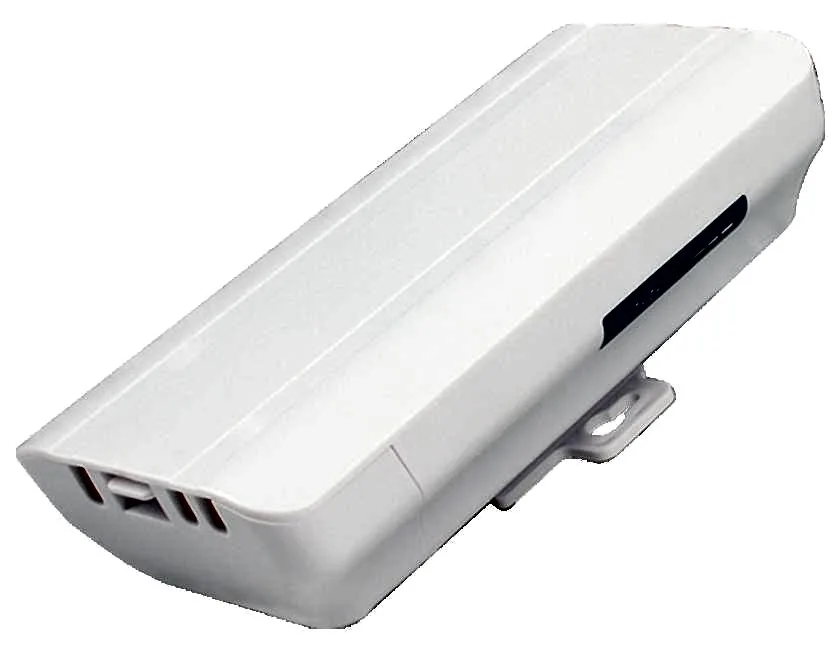
BS-300D
Wireless Bridge / CPE BS-300D with 300Mbps wireless rate and 2.4G single-band, 24V PoE, for point-to-point links between buildings, cranes and elevators.
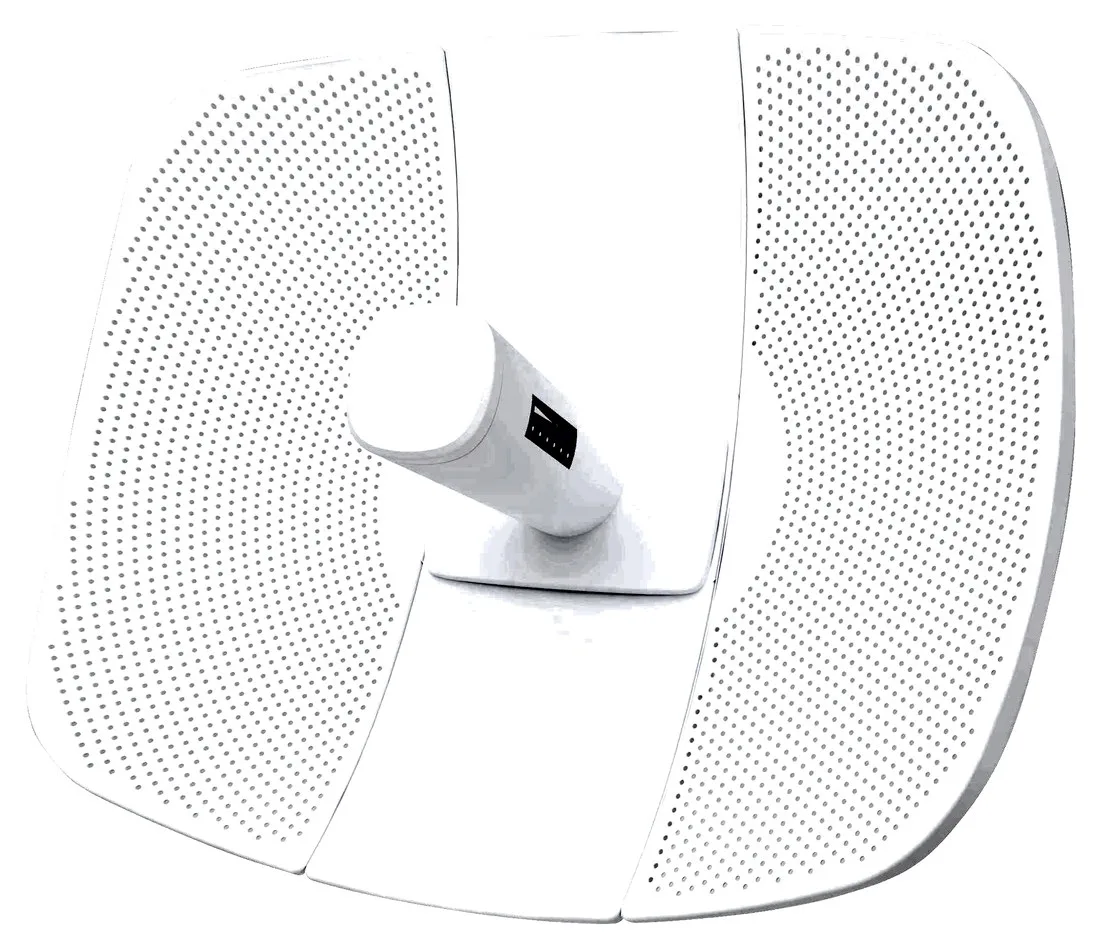
BS-500L
Wireless Bridge / CPE BS-500L with 300Mbps wireless rate, dimensions 395*340*250mm, 24V PoE, for point-to-point links between buildings, cranes and elevators.
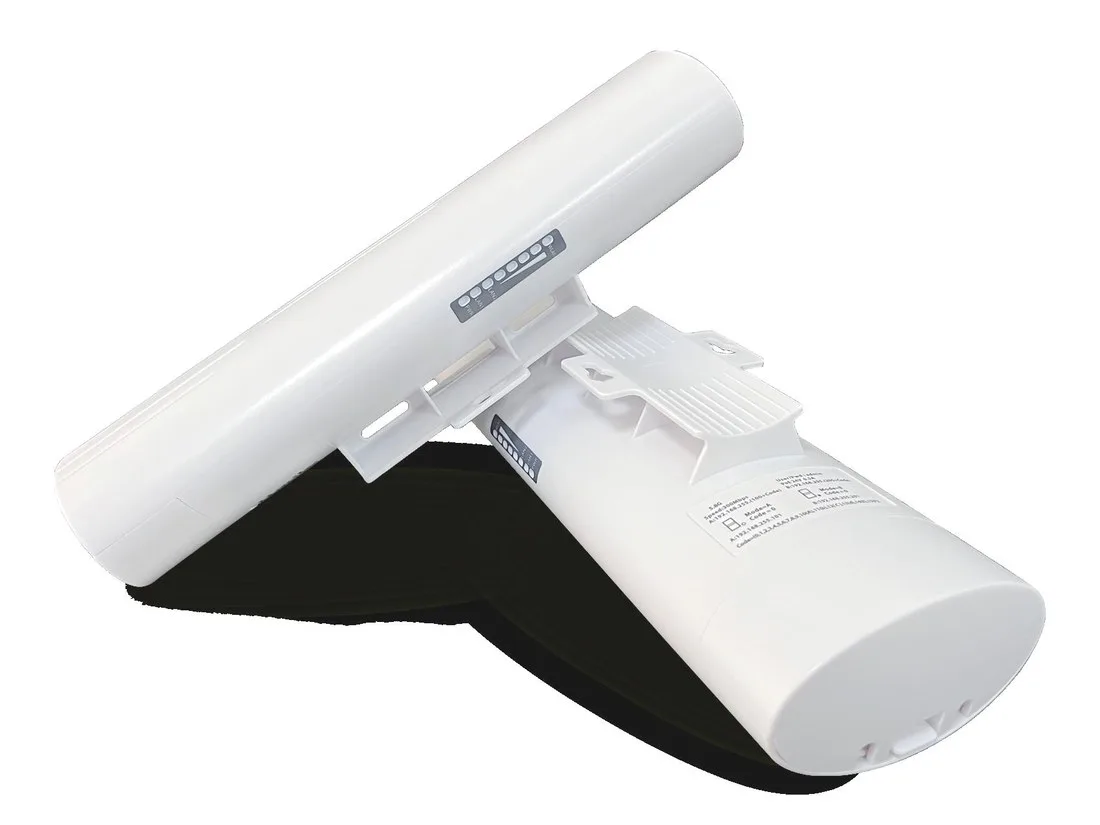
BS-500T
Wireless Bridge / CPE BS-500T with 300Mbps wireless rate, 24V PoE, for point-to-point links between buildings, cranes and elevators.
BS-560L
Wireless Bridge / CPE BS-560L with 900Mbps wireless rate, dimensions 395*340*250mm, 24V PoE, for point-to-point links between buildings, cranes and elevators.